Chronic Use of Nasal Decongestants May Cause Which Condition
Non-allergic irritants may be the cause of nasal congestion. The observation that naphazoline detoxification relieved the patients headache indicates that prolonged use of naphazoline may cause chronic headaches.
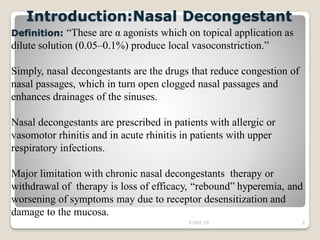
Nasal Decongestant And Respiratory Stimulants
Pseudoephedrine constricts blood vessels in the nose and sinuses.
. Congestion is caused by inflammation in your. Such irritants include perfumes tobacco smoke and spicy foods. One pseudoephedrine side effect is a possible increase in blood pressure.
This disorder is a diagnosis of exclusion and other causes of chronic nasal obstruction must be considered first. Thats all the more reason to seek your docs help for congestion that lingers for a long time or you experience sudden stuffinessand. Click to see full answer.
This is very rare says Dr. Anxiety is one of the side effects of using nasal decongestants. Hay fever or other allergies.
While these produce similar symptoms to allergies they are much more temporary usually going away after a couple hours. 11 The American Heart Association recommends that patients with high BP. Nasal decongestants are used to relieve nasal congestion that is caused by hay fever dust allergy or chronic rhinitis.
There are several different types of nasal spray available including decongestant spray. Its cause is thought to be an imbalance of autonomic control to the nasal mucosa. If you have any of the above conditions check with your primary health care provider or pharmacist before taking an oral nasal decongestant.
Conditions which cause congestion include. Decongestants can interfere with the effectiveness of certain blood pressure epilepsy heart diabetes or thyroid medications but also may affect the chronic condition itself. Rhinitis medicamentosa can lead to chronic rhinosinusitis atrophic rhinitis turbinate hyperplasia psychological dependence and an abstinence syndrome upon intranasal decongestant withdrawal.
It is better to consult your doctor before you start any decongestant along with any anxiolytic medication. Decongestants are medicines that are used to help ease a blocked or stuffy nose nasal congestion. Chronic use of decongestants may result in rhinitis medicamentosa which may mimic sinus disease.
Unfortunately the drug doesnt affect only the head it tightens blood vessels throughout the body. Frequent use of decongestant pills may not be good for the nasal chronic congestion and may cause rapid pulse rate hypertension and insomnia. The observation that naphazoline detoxification relieved the patients headache indicates that prolonged use of naphazoline may cause chronic headaches.
Treatment measures include avoidance of nonspecific stimuli which. These conditions cause swelling of the tissues and blood vessels that line the nasal passageway and sinuses. 7 Hypertension is particularly concerning because it affects nearly half of American adults with many unaware of their condition.
Rhinitis medicamentosa or RM is a condition of rebound nasal congestion suspected to be brought on by extended use of topical decongestants eg oxymetazoline phenylephrine xylometazoline and naphazoline nasal sprays and certain oral medications eg sympathomimetic amines and various 2-imidazolines that constrict blood vessels in the lining. A nasal septum deviated from midline. Systemic decongestants cause generalized peripheral vasoconstriction 10 and AEs include arrhythmias hypertension palpitations and tachycardia.
Youre congested because. You might have cancer. One common cause of nasal congestion is the overuse of nasal decongestants.
While decongestants share many adverse reactions eg insomnia tachycardia a great deal of attention has been given to their possible role in. It can lead to chronic sinusitis and other serious long-term problems. It is also proven that regular use of nasal sprays leads to the addiction and may only aggravate nasal congestion.
Yes some decongestants do cause anxiety. Beside this what does boggy nasal mucosa mean. Red and swollen mucosa which suggests acute allergic rhinitis.
Tumors can be benign or cancerous and symptoms often mimic those from allergies and sinus infections like facial pressure and congestion. Nasal decongestants are also used to reduce swelling of the nasal passages and to facilitate visualization of the nasal and pharyngeal membranes before surgery. Therefore physicians should ask for details on the use of nasal decongestants in patients complaining of chronic headache as they could potentially be suffering from a medication-overuse headache.
Therefore physicians should ask for details on the use of nasal decongestants in patients complaining of chronic headache as they could potentially be suffering from a medication-overuse headache. Decongestants can interfere with the effectiveness of certain blood pressure epilepsy heart diabetes or thyroid medications but also may affect the chronic condition itself. The longer you use a spray decongestant the more likely you are to get the rebound phenomenon.
Vasomotor rhinitis is a condition of chronic nasal congestion which is noninfectious and nonallergic. Chronic rhinitis can be either allergic or non-allergic and occurs when the there is long-term inflammation in the lining of your nose. Do decongestants cause anxiety.
Therefore physicians should ask for details on the use of nasal decongestants in patients complaining of chronic headache as they could potentially be suffering from a medication-overuse headache. Oral decongestants may cause tachycardia and other cardiac arrhythmias restlessness insomnia blurred vision nausea and vomiting. Normally the nasal septum is pink in the midline and intact.
However a few decongestants do not cause anxiety like saline nasal sprays or pseudoephedrine. This shrinks swelling and drains fluids letting you breathe easier again.

Decongestants Causing Rhinitis Medicamentosa Download Table
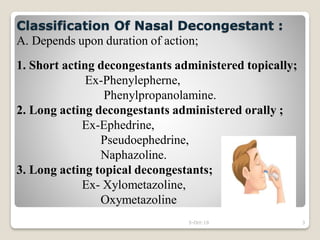
Nasal Decongestant And Respiratory Stimulants
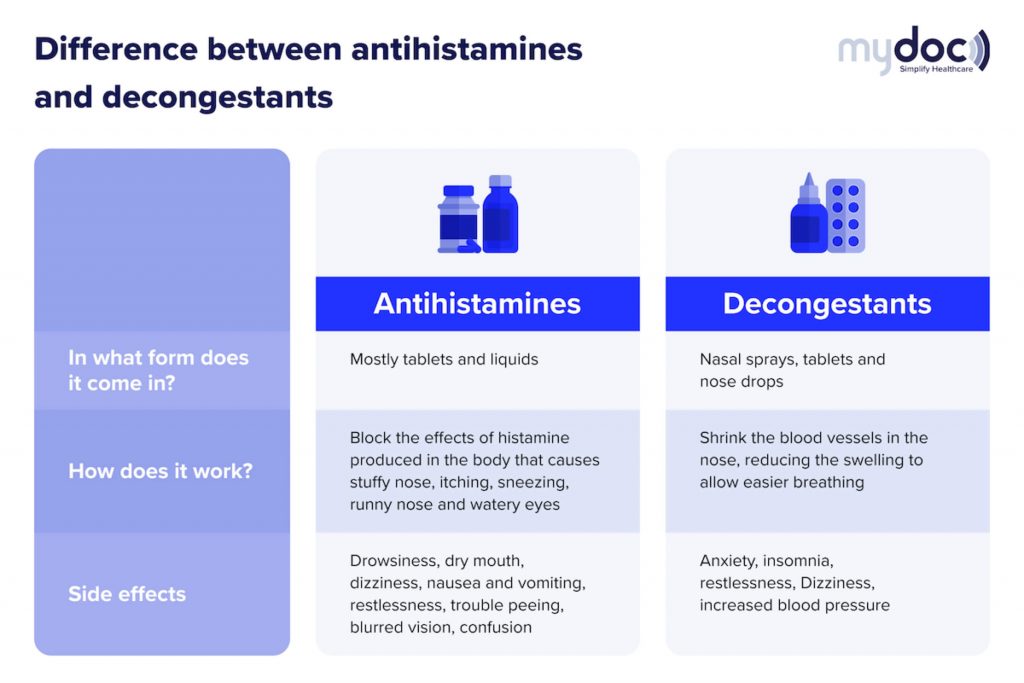
Antihistamines And Decongestants Which Should You Take For A Stuffy Nose Mydoc


Comments
Post a Comment